Syed Rakin Ahmed, MD, PhD
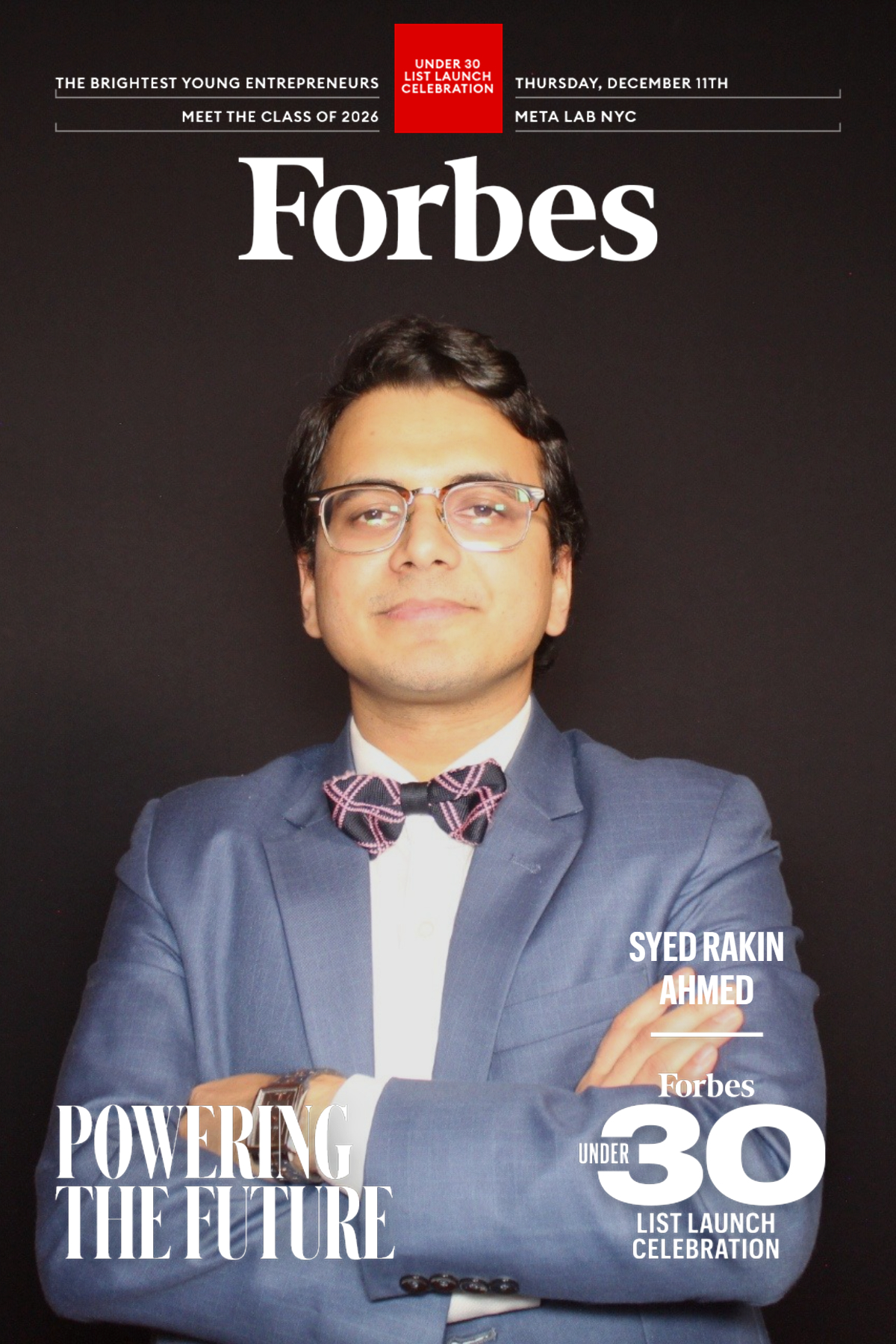
Rakin completed his M.D. and Ph.D. in a '2-P-2' arrangement across Harvard and Dartmouth, and was honored as a Forbes 30 Under 30 US 2026, Healthcare. Rakin graduated with a PhD in Biophysics at Harvard Medical School in May 2024, having been inducted into Sigma Xi, where he was co-advised by Bruce Rosen [1] and Jayashree Kalpathy-Cramer [2] in the QTIM lab at MIT and the MGH/HST Martinos Center for Biomedical Imaging. His dissertation was titled 'Generating Clinically Translatable AI Models for Cancer Diagnostics' at the intersection of computer science, biophysics, engineering, and medicine; his work resulted in multiple publications, presentations at national and international conferences, as well as several honors and awards [3], including the Mind, Brain, Behavior (MBB) Award. He subsequently graduated with his MD at Dartmouth in May 2026, where he was inducted into Alpha Omega Alpha.
Rakin studied Biomedical Engineering, Applied Math and Economics during his undergrad as a member of the Class of 2018 at Dartmouth on a full-ride scholarship, graduating with High Honors, Phi Beta Kappa, Tau Beta Pi and Magna Cum Laude, and took part in an exchange at the University of Oxford in the UK. His MD admittance, which he started straight through, was via the highly competitive Biomedical Engineering (BME) Early Assurance Program (EAP), which waived the MCAT and featured a single streamlined application with multiple interview rounds.
Rakin's clinical and research interests lie at the intersection of AI/deep learning, medicine, biomedical imaging and genomics. Rakin is broadly interested in addressing issues pertaining to AI deployment and model robustness (e.g., repeatability, generalizability), with a long-term goal of integrating deep learning (DL) into clinical workflows to augment the clinician, thereby potentially replacing costly, risky, and invasive tests.
12/2025
I was inducted into
Forbes 30 Under 30 US 2026, in the
Healthcare category, from over 10,000+ nominations, for my 'research aimed towards creating AI models to help both diagnose cancer and create more precise treatments for it'.
08/2025
I was inducted into the
Alpha Omega Alpha (AOA) medical honor society, in recognition of my academic achievements, scholarship, leadership, professionalism and service.
05/2025
My work on novel distance metric generation for assessing out-of-distribution performance of AI oncology models for clinical deployment was accepted in
ASTRO 2025.
02/2025
My work on generalizable deep learning models for image quality assessment was published in
Nature Sci Rep.
12/2024
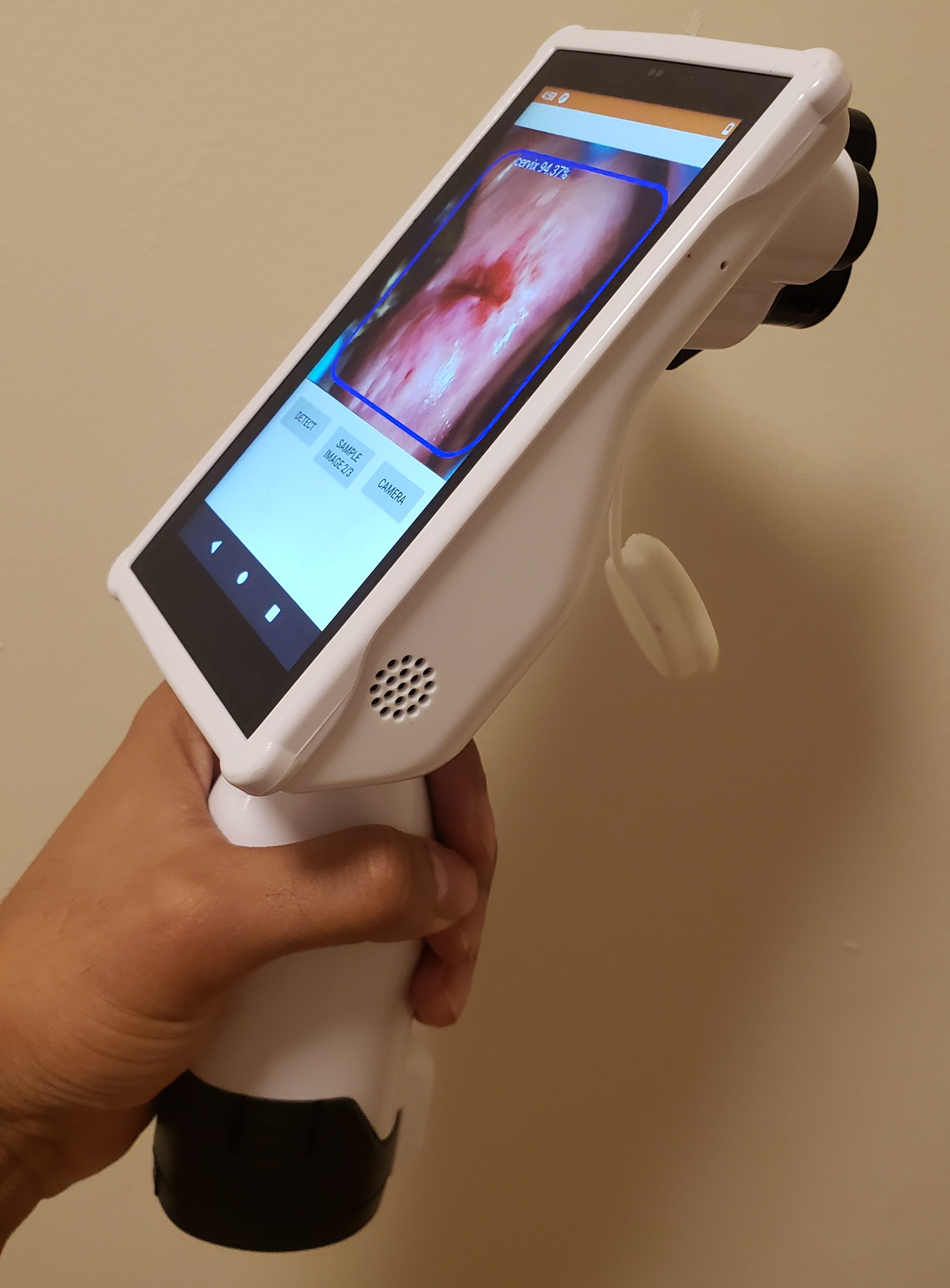
My work on generating, validating and deploying an end-to-end AI pipeline for cervical cancer screening was featured on an
NCI.gov press release
10/2024
My work on assessing generalizability of deep learning models for cancer detection was published in
PLOS Digital Health, while additional work on AI for cervical cancer screening was presented at
IPVC 2024.
02/2024
I was awarded the Mind Brain Behavior (MBB) Graduate Student Award for 2023-2024, sponsored by the MBB Interfaculty Initiative at Harvard University, as well as the
Fellowship in Values Engagement (
Intellectual Vitality Fellow) for 2023-2024, sponsored by the Edmond & Lily Safra Center for Ethics at Harvard University, following extremely competitive selection processes.
01/2024
My work on clinically translatable deep learning for cancer diagnosis was published in
Nature Scientific Reports, on generalizable deep neural networks for image quality classification was posted to
Research Square, on deep learning for immune phenotype prediction from breast cancer histopathology was presented at the 38th Annual AAAI Conference on Artificial Intelligence 2024 and posted to
arXiv, and on deep-learning based automated volumetric measurement of meningioma burden was presented at the
SNO 28th Annual Meeting and AI Cures Conference 2024.
09/2023
I was invited as a featured speaker at the Harvard Biophysics Annual Retreat 2023, and the 3rd Annual Dartmouth Radiation Oncology Research Retreat 2023, presenting a talk titled "Generating clinically translatable models for cancer diagnostics".
Papers
Generating Clinically Translatable AI Models for Cancer Diagnostics
Ahmed SR
Doctoral Dissertation, Harvard University and Massachusetts Institute of Technology; 2024
Generalizable deep neural networks for image quality classification of cervical images.
Ahmed SR,
Befano B,
Egemen D,
et al.
Nature Sci Rep. 2025 Feb 21;15(1):6312.
Assessing generalizability of an AI-based visual test for cervical cancer screening.
Ahmed SR,
Egemen D,
Befano B,
et al.
PLOS Digital Health. 2024 Oct 2;3(10):e0000364
Reproducible and clinically translatable deep neural networks for cervical screening.
Ahmed SR,
Befano B,
Lemay A et al.
Nature Sci Rep. 2023 Dec 8;13(1):21772
Power spectral analysis can determine language laterality from resting-state functional MRI data in healthy controls.
Ahmed SR,
Jenabi M,
Gene M,
Moreno R,
Peck K,
Holodny A.
J Neuroimaging. 2023 Jul-Aug;33(4):661-670.
Radiotherapy-induced Cherenkov luminescence imaging in a human body phantom.
Ahmed SR,
Jia JM,
Bruza P,
et al.
J Biomed Opt. 2018; 23(3):1-4.
Estimating test performance for AI medical devices under distribution shift with conformal prediction.
Ahmed SR*,
Lu C*,
Singh P et al
arXiv preprint arXiv:2207.05796. submitted, in-review (2023)
Frequency-Domain Resting State fMRI Analysis Demonstrates Language Lateralization in Healthy Controls.
Ahmed SR,
Jenabi M,
Gene M,
Moreno R,
Peck K,
Holodny A.
American Society of Neuroradiology (ASNR) 58th Annual Meeting. 2020.
Patient-specific, mechanistic models of tumor growth incorporating artificial intelligence and big data.
Lorenzo G,
Ahmed SR,
Hormuth D,
et al.
Annu Rev Biomed Eng. 2024 Apr 9.
Artificial intelligence applied to musculoskeletal oncology: a systematic review.
Li MD,
Ahmed SR,
Choy E,
Lozano-Calderon SA,
Kalpathy-Cramer J,
Chang CY
Skeletal Radiol. 2022;51(2):245-256.
Inconsistent Partitioning and Unproductive Feature Associations Yield Idealized Radiomic Models.
Gidwani M,
Chang K,
Patel J,
Hoebel KV,
Ahmed SR,
et al.
Radiology. 2022: 220715
Opportunities and Challenges for Deep Learning in Brain Lesions.
Patel J,
Chang K,
Ahmed SR,
Jang I,
Kalpathy-Cramer J.
In: Crimi, A., Bakas, S. (eds) Brainlesion: Glioma, Multiple Sclerosis, Stroke and Traumatic Brain Injuries. BrainLes. Springer, Cham.
Systemic coagulation is activated in patients with meningioma and glioblastoma.
Yerrabothala S,
Gourley BL,
Ford JC,
Ahmed SR,
et al
J Neurooncol. 2021;155(2):173-180.
Abnormal vascular structure and function within brain metastases is linked to pembrolizumab resistance.
Kim A,
Lou K,
...,
Ahmed SR,
et al.
Neuro Oncol. 2023 Dec 9:noad236
Use of risk-based cervical screening programs in resource-limited settings.
Perkins RB,
Smith DL,
...,
Ahmed SR et al.
Cancer Epidemiol. 2023 Jun;84:102369.
AI-based image analysis in clinical testing: lessons from cervical cancer screening.
Egemen D,
Perkins R,
...,
Ahmed SR,
et al.
J Natl Cancer Inst. 2023 Sep 27:djad202.
Design of the HPV-Automated Visual Evaluation (PAVE) Study: Validating a Novel Cervical Screening Strategy.
de Sanjose S,
Perkins R,
...,
Ahmed SR,
et al.
eLife (2023). 12:RP91469
Coagulation Activation in Brain Neoplasms
Yerrabothala S,
Gourley B,
...,
Ahmed SR,
et al.
Blood. 2017;130 (Supplement 1).
Addressing catastrophic forgetting by modulating global batch normalization statistics for medical domain expansion
Gupta S,
Chang K,
...,
Ahmed SR,
et al.
In: Proietto Salanitri, F., et al. Artificial Intelligence in Pancreatic Disease Detection and Diagnosis, and Personalized Incremental Learning in Medicine. PILM AIPAD 2024 in conjunction with MICCAI 2024. Lecture Notes in Computer Science, vol 15197. Springer, Cham.
Conformal prediction and Monte Carlo inference for addressing uncertainty in cervical cancer screening
Clark C,
Kinder S,
...,
Ahmed SR,
et al.
In: Sudre, C.H., Mehta, R., Ouyang, C., Qin, C., Rakic, M., Wells, W.M. (eds) Uncertainty for Safe Utilization of Machine Learning in Medical Imaging. UNSURE 2024 in conjunction with MICCAI 2024. Lecture Notes in Computer Science, vol 15167. Springer, Cham.
Presentations and Symposia
Distance metrics predict out-of-distribution performance of AI oncology models for clinical deployment.
Ahmed SR,
Lu C,
Kalpathy-Cramer J
American Society for Radiation Oncology (ASTRO) 2025 Annual Meeting
A deep learning framework enables non-invasive detection of tumor mutational burden in brain metastases.
Ahmed SR,
Brahmavar S,
Bridge C,
et al.
Radiological Society of North America (RSNA) 2023 Annual Meeting.
A deep learning-based framework for joint image registration and segmentation of brain metastases on magnetic resonance imaging.
Patel J,
Ahmed SR,
Chang K,
et al.
Machine Learning for Healthcare (MLHC) 2023
Focal loss improves clinical deployability of deep learning models.
Ahmed SR,
Lemay A,
Hoebel K,
Kalpathy-Cramer J.
Radiological Society of North America (RSNA) 2022 Annual Meeting; Program pp 456, 461
Estimating test performance for AI medical devices under distribution shift with conformal prediction.
Ahmed SR*,
Lu C*,
Singh P,
Kalpathy-Cramer J.
International Conference on Machine Learning (ICML) 2022: Principles of Distribution Shift (PODS) Workshop, Baltimore, MD, US.
Focal loss improves repeatability of deep learning models.
Ahmed SR,
Lemay A,
Hoebel K,
Kalpathy-Cramer J.
Medical Imaging with Deep Learning (MIDL) 2022, ETH, Zurich, Switzerland.
Frequency-Domain Resting State fMRI Analysis to Investigate Language and Handmotor Cortices in Healthy Controls.
Ahmed SR,
Jenabi M,
Gene M,
Moreno R,
Peck K,
Holodny A.
MSK Medical Student Summer Fellowship Research Symposium 2019, MSKCC, New York, NY, US
Making the Most of Limited Data with Self-Supervised Learning for Breast Cancer Screening.
Clark C,
Kinder S,
Ahmed SR,
et al.
27th MICCAI 2024 conference (MedAGI Workshop), Marrakesh, Morocco.
Deep learning-based non-invasive molecular profiling of brain metastases from MR imaging.
Bhat S,
Goncalves T,
Ahmed SR,
et al.
The 21st International Symposium on Biomedical Imaging (ISBI) 2024, Athens, Greece
Deep learning-based prediction of breast cancer tumor and immune phenotypes from digitized histopathology.
Goncalves T,
Kim A,
...,
Ahmed SR,
et al.
The 38th Annual AAAI Conference on Artificial Intelligence (2024).
A deep learning algorithm for fully automated volumetric measurement of meningioma burden.
Cleveland M,
Kim A,
...,
Ahmed SR,
et al.
Society for NeuroOncology 28th Annual Meeting (2023) and MIT/MGB AI Cures Conference 2024.
Coagulation Activation in Brain Neoplasms.
Yerrabothala S,
Gourley BL,
Ford JC,
Ahmed SR,
et al.
59th American Society of Hematology (ASH) Annual Meeting and Exposition 2017, Atlanta, GA, US.
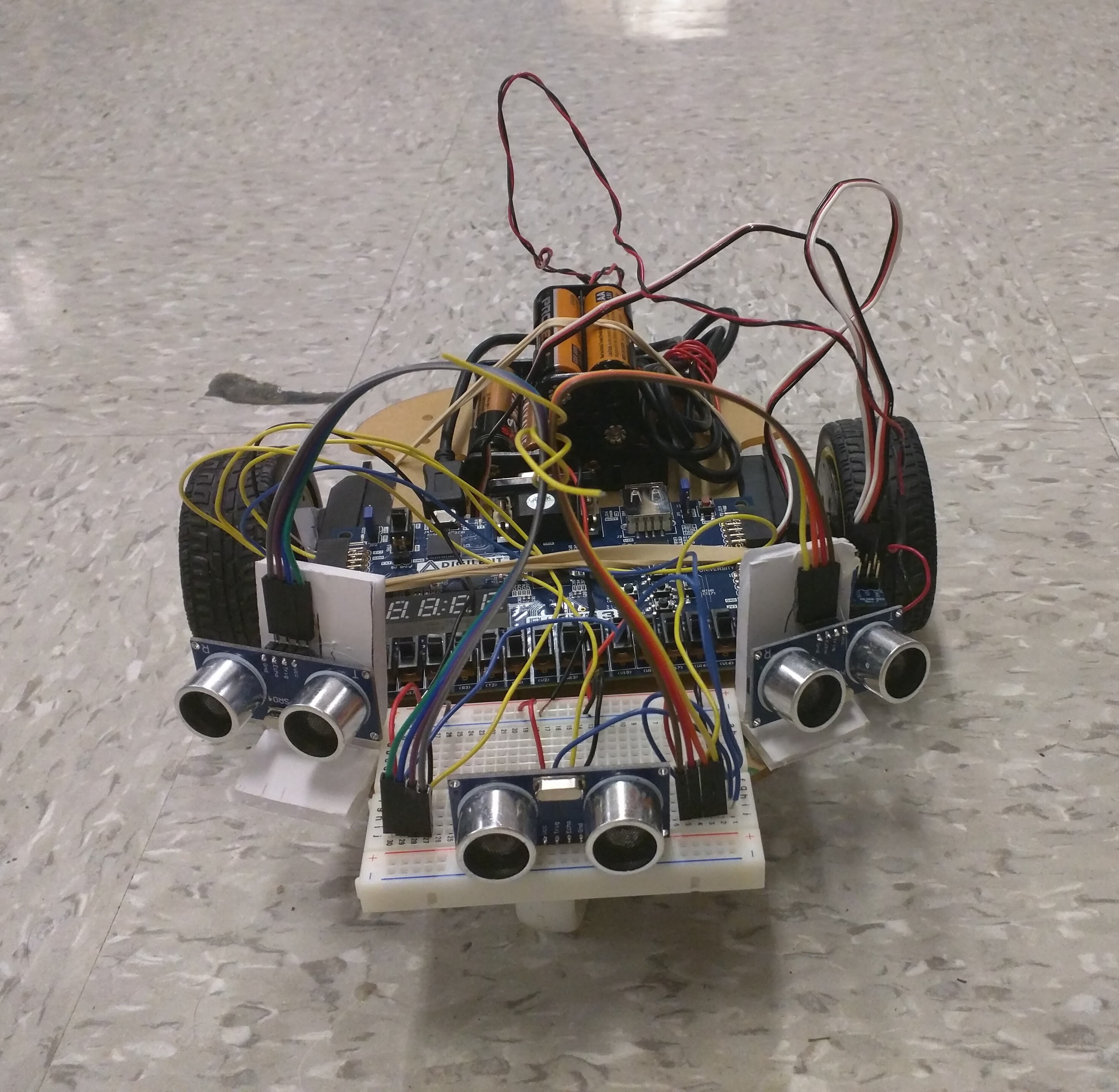
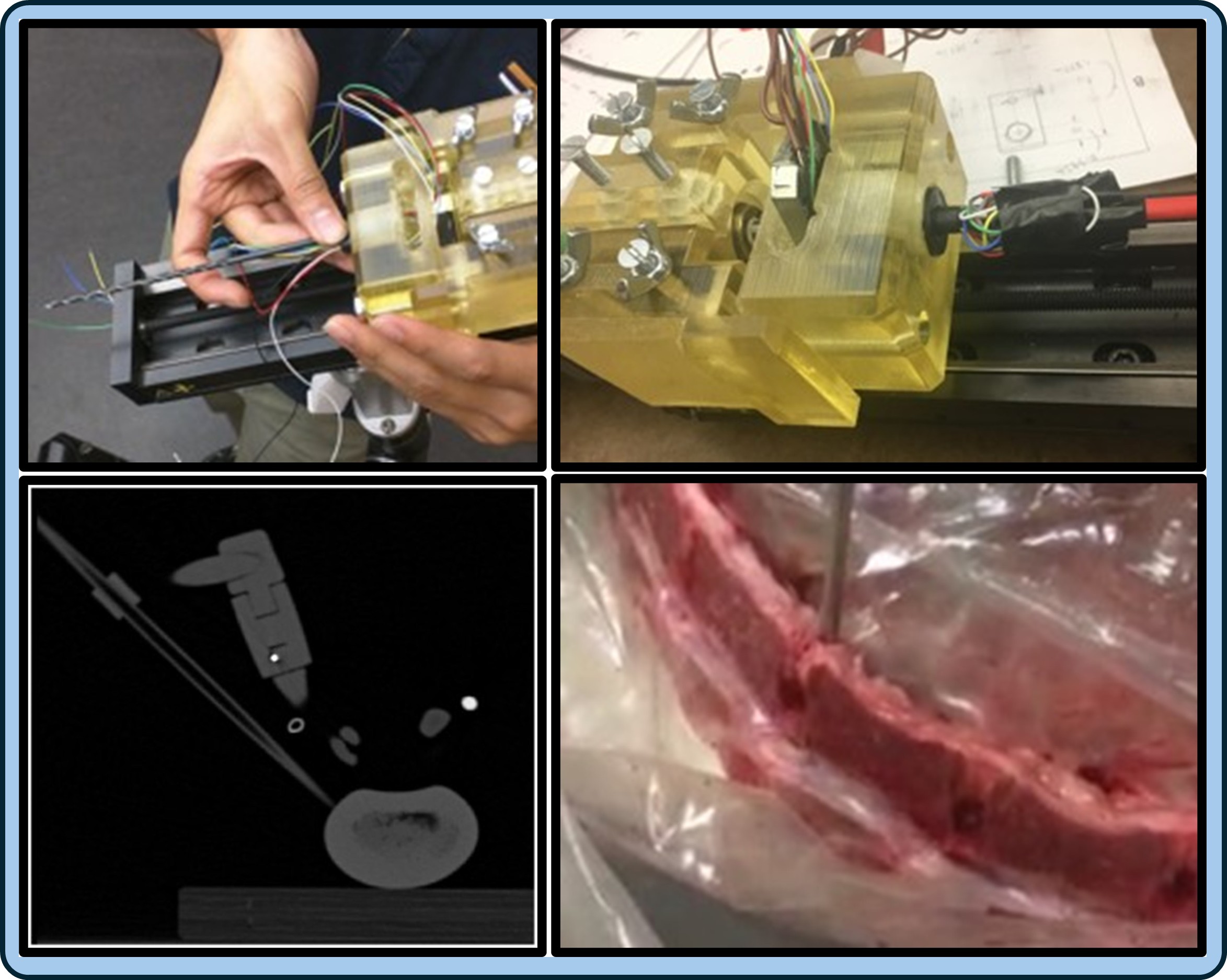
Selected Engineering Projects